Hanzougama: Not your ordinary Japanese pottery retreat
Ikuhiko Shibata is a Tajimi-based potter with one foot firmly planted in the classic Mino ware tradition and the other stepping nimbly into the world of contemporary tableware and everyday objects. He is no stranger to creative adventure, yet he keeps a loving eye on the timeless spirit of Mino pottery. A cheerful crosser of borders in every sense, he travels regularly to the United States to help newcomers there take their first steps into the world of Japanese ceramics.
In February 2026, Shibata-sensei is opening a pottery retreat designed for enthusiasts from around the world who are looking for a place to stay, linger, and sink deeply into their work over a longer visit. This alone places him in a very select circle of retreat hosts in Japan. To make the experience even more distinctive, he is collaborating with his friend, abbot Sasaki Houkaku, at Gyokuryu-ji, a Rinzai Zen temple in Gero, a hot spring town about an hour’s drive from his workshop in Tajimi. Gyokuryu-ji is launching a retreat of its own and warmly welcomes guests from Shibata-sensei’s workshop to join a one-day immersion in the world of Zen, or even to combine their pottery stay with a longer period of temple life.
Zen and Japanese pottery are kindred spirits, most beautifully united in the tea ceremony. Shibata-sensei, himself a tea ceremony instructor, is building a new tearoom especially for workshop participants. At the heart of this meditative encounter is the tea bowl. When you learn to shape such a bowl with your own hands, and then use it in the tea ceremony, you gain a rare and intimate understanding of its true purpose.
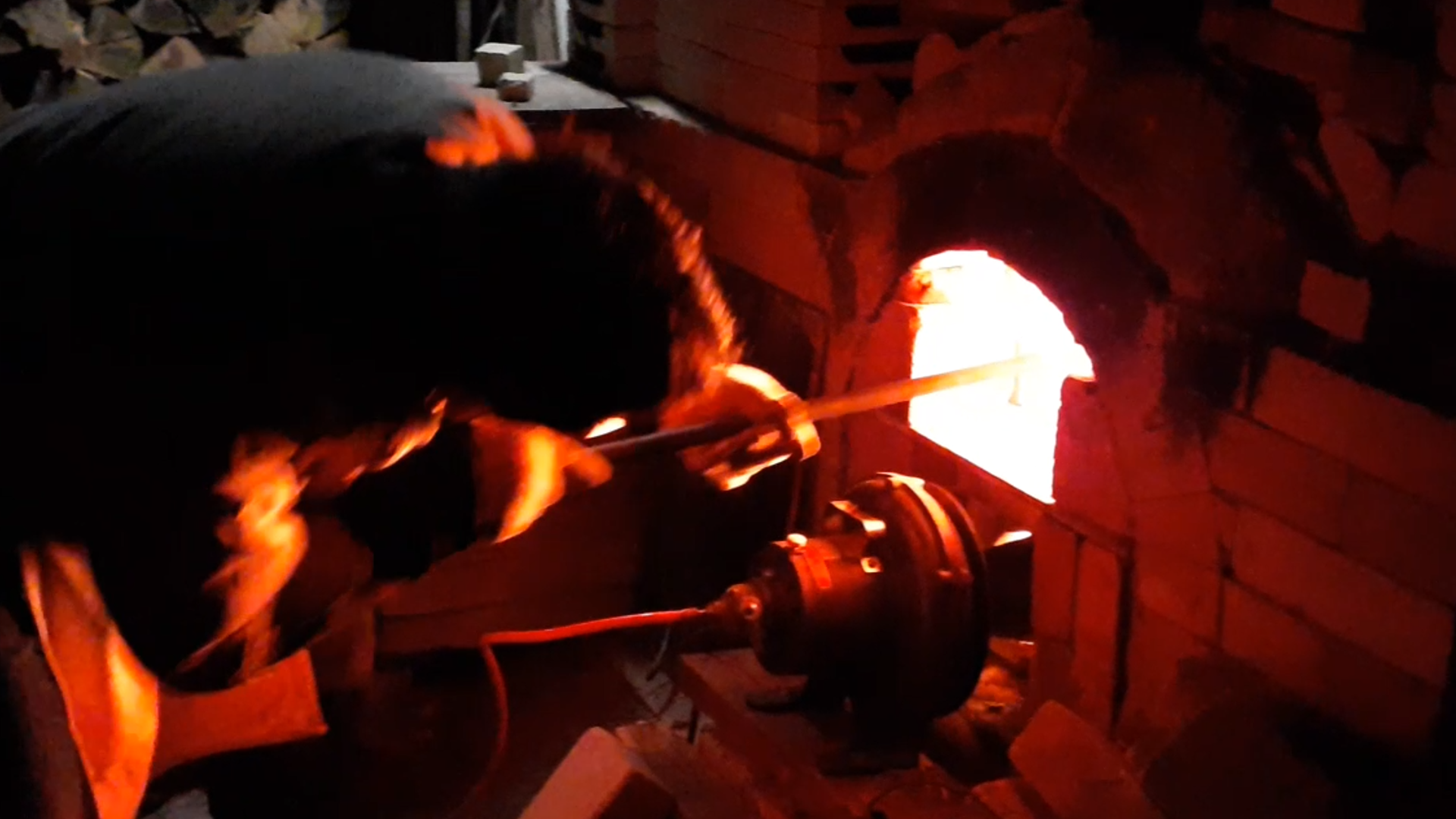
For those who like to peer behind the scenes, the workshop also offers an optional kiln-building course. Guests who choose this will return home with insights that span the entire arc of Japanese pottery, from creating the working environment to using the finished piece in the tea ceremony.
To deepen and enrich your stay even further, you will be invited to relaxed barbeques, local excursions, and a variety of gentle diversions and opportunities to unwind, all intended to make your visit to this part of Japan delightfully unforgettable. At the centre of everything is simple, shared enjoyment. We hope this stirs your curiosity and your imagination—and that we may soon welcome you here in person.
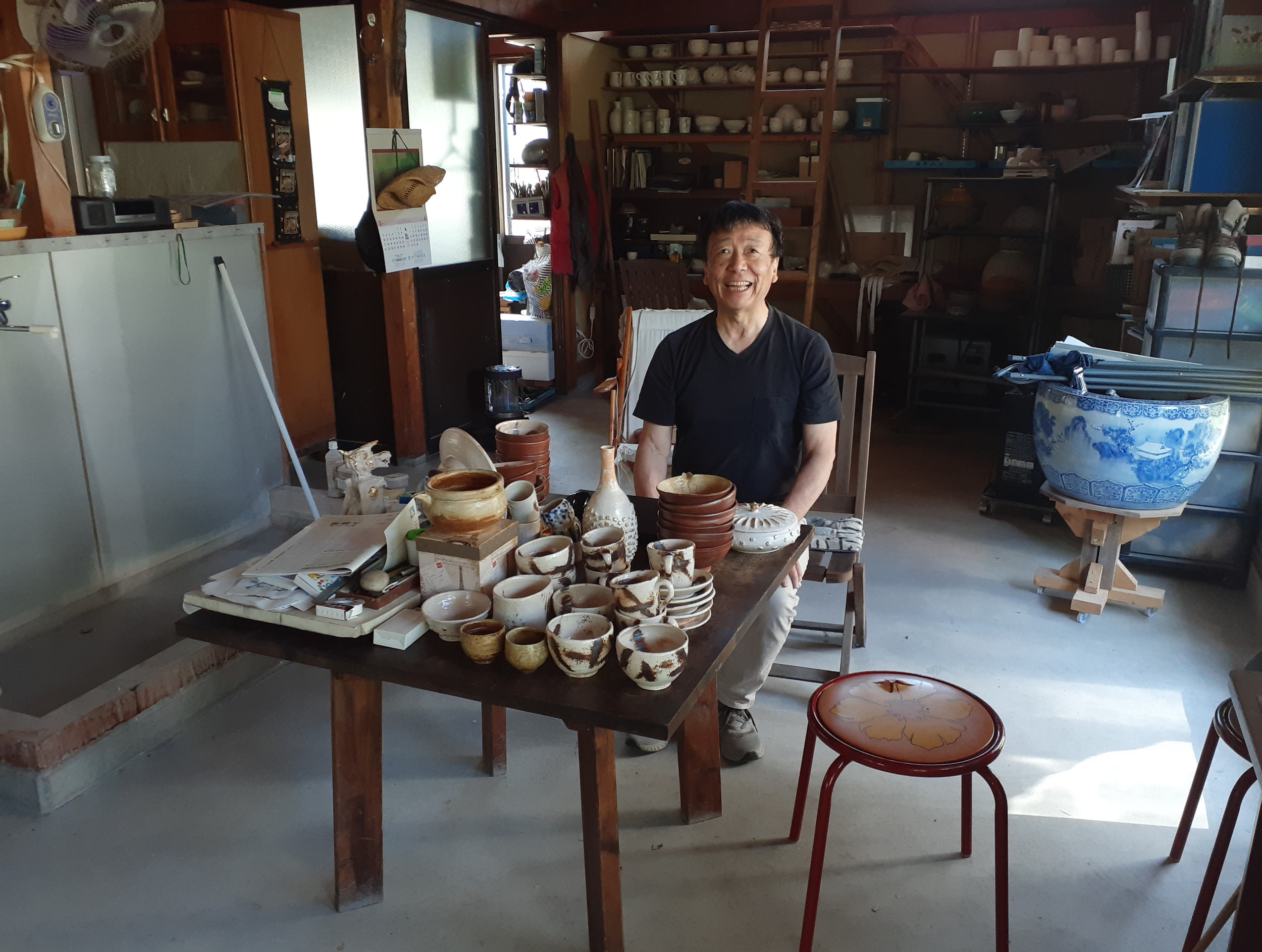
Step into Ikuhiko Shibata’s studio and you half expect someone to hand you a latte and a pastry. Instead, you get something better: a potter who treats clay like a passport, cheerfully crossing borders between medieval tea rooms and modern dinner parties.
Shibata has one foot firmly planted in the Mino ware tradition and the other tap-dancing on Western tables. He throws serious matcha chawan for tea ceremony, then spends his “spare time” devising long plates for mackerel, sushi, or whatever a Spanish restaurant fancies showing off tonight. It’s all done with a wink: coffee served from a chunky sake pitcher, for instance, because why shouldn’t your morning brew arrive with a touch of drama?
He is, however, deadly serious about two things: mastery and imagination. He laments how some potters became factory owners, churning out giftware until nobody wanted it, while he stubbornly built his own kiln, smashes most of what he fires, and sells only the survivors to keep their value (and his sanity) intact.
For Shibata, a tea bowl is not “just a bowl” but a landscape your hands and lips travel through, designed for touch, conversation, even a whiff of samurai-era paranoia about poison. He will be happy to tell you more upon your arrival.
He also delights in explaining to his American students (he frequently travel to the US) that Japanese makers sometimes create pieces that look awkward on purpose, only to feel strangely perfect when used.
Rooted in Shino, Oribe, and centuries of Mino history yet determined to share it with the world, Shibata cheerfully chips away at the invisible wall between “traditional craft” and “everyday life.” In the process, he makes pottery that negotiates, jokes, reassures, and occasionally caffeinates.